Your Brand, Exposed.

2026 Melbourne Retail Signage Trends: What’s Transforming Commercial Design
Walk down Chapel Street in South Yarra, through Bourke Street Mall, or along the laneways of Fitzroy, and you’ll notice something striking: Melbourne’s retail landscape is undergoing a dramatic visual transformation. The tired, cluttered signage of the past is giving way to sleek, strategic designs that capture attention in seconds and communicate brand values instantly.
As Melbourne’s retail sector becomes increasingly competitive with foot traffic patterns shifting post-pandemic and online shopping continuing to grow physical signage has never been more critical. It’s not just about being seen; it’s about making an immediate, memorable impression that draws customers inside.
This comprehensive guide explores the five dominant trends reshaping commercial signage in Melbourne’s retail sector, backed by real examples, investment figures, and actionable insights from businesses that have successfully transformed their storefronts.
1. Minimalist Design: Less is Dramatically More
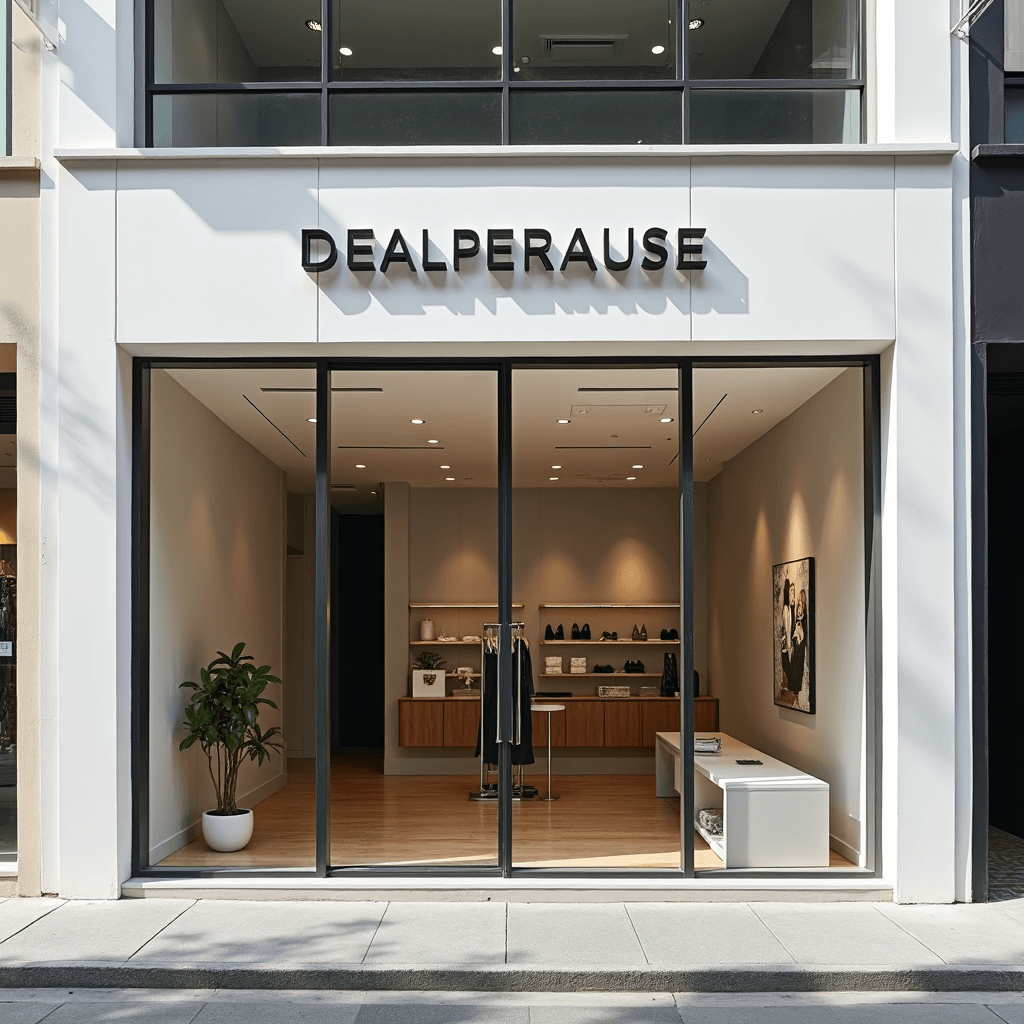
The most noticeable shift in Melbourne retail signage is the embrace of minimalism. This isn’t simply about reducing visual elements it’s a strategic design philosophy that aligns perfectly with Melbourne’s contemporary aesthetic and the psychology of modern consumers.
Real Melbourne Examples
Consider the transformation of boutique retailers along Glenferrie Road in Malvern. One fashion boutique reduced their signage from seven elements (brand name, tagline, opening hours, three promotional messages, and decorative borders) to just three: a refined logo in brushed brass, their name in custom sans-serif typography, and a single-word descriptor. The result? A 23% increase in foot traffic within the first three months, according to their pedestrian counting data.
Similarly, a specialty coffee roaster in Collingwood invested $18,500 in a minimalist rebrand. Their new signage features just their logo in matte black steel against exposed brick no additional text, no decorative elements. Staff report that customers frequently photograph the storefront, creating organic social media promotion that traditional busy signage never achieved.
The Psychology Behind Minimalism
According to a 2024 consumer research study by Melbourne’s RMIT University School of Design, 67% of Melbourne shoppers associate minimalist storefronts with premium quality and trustworthiness. The research found that cluttered signage actually creates cognitive overload, causing potential customers to keep walking rather than pause to process multiple messages.
Investment & Implementation Guide
Key elements of minimalist retail signage:
- Single premium material choice (brushed aluminum, backlit acrylic, or powder-coated steel)
- Maximum 2-3 font families across all signage elements
- 60-70% negative space in the design
- Neutral color palette (typically monochromatic or two complementary colors maximum)
- Investment range: $12,000-$35,000 for standard retail frontage (4-6 meter width)
Melbourne Council Considerations
The City of Melbourne actively encourages minimalist design through its Planning Scheme Amendment C387. Heritage overlay areas in Fitzroy, Carlton, and parts of the CBD now have stricter signage guidelines that favor understated designs that complement historic architecture. Always consult with the relevant council before installation minimalist designs typically face fewer approval hurdles than elaborate signage.
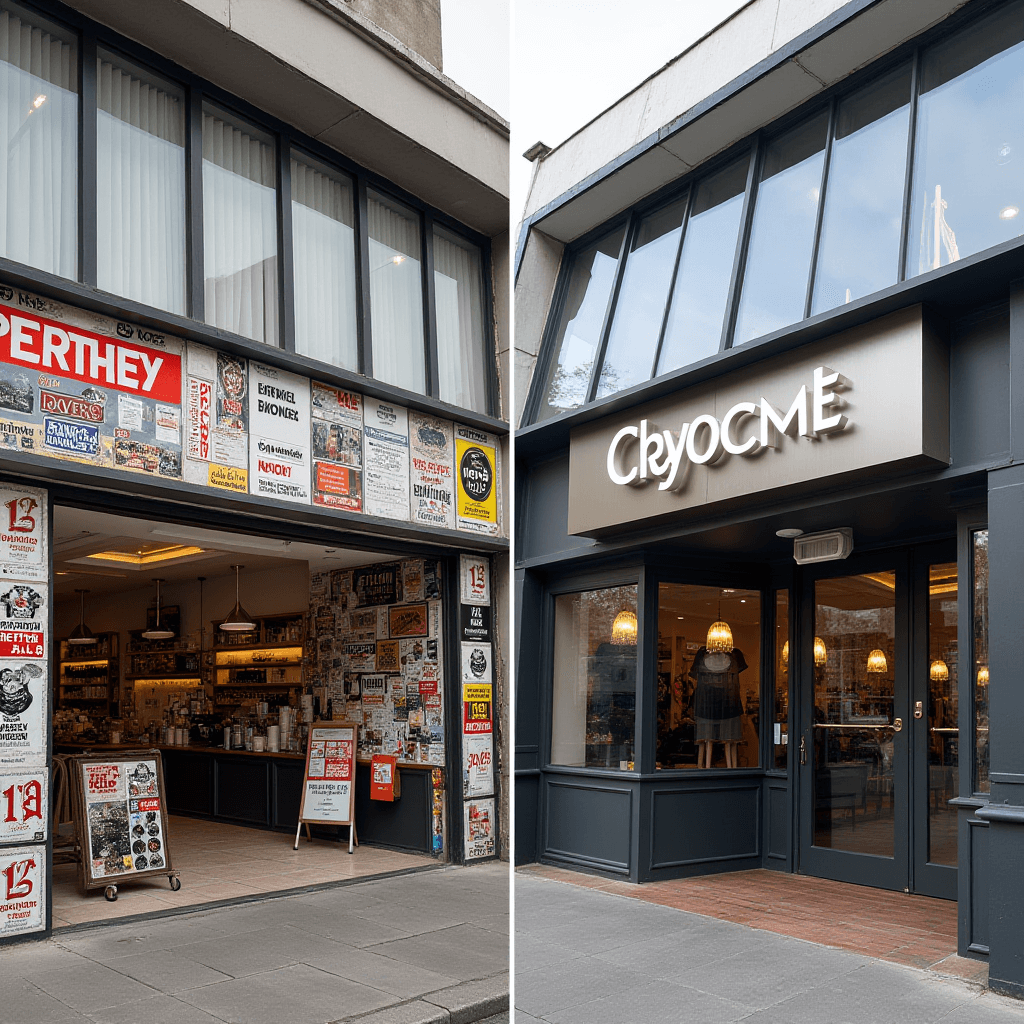
2. Interactive Digital Signage: Creating Two-Way Engagement
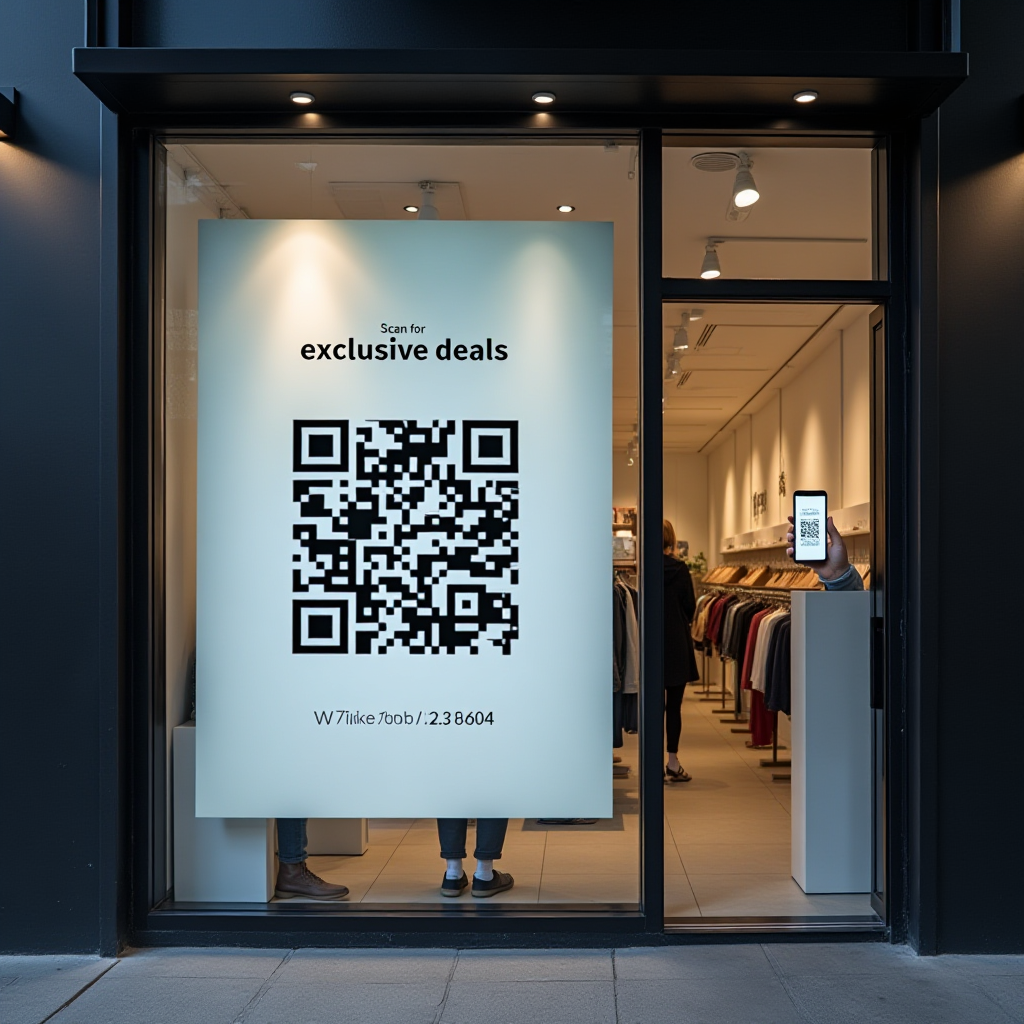
Static signage is no longer enough in Melbourne’s experience-driven retail environment. Interactive elements from QR codes to touchscreens to augmented reality integration are transforming how retailers connect with potential customers before they even enter the store.
Technology Implementation Examples
A prominent example is a homeware retailer on Bridge Road, Richmond, who integrated NFC-enabled window displays. Customers can tap their phones against designated points on the storefront to access product catalogs, pricing, and styling videos even outside business hours. In their first six months, they tracked over 2,400 after-hours interactions, with 18% converting to in-store visits during operating hours.
Meanwhile, an athletic wear store in Docklands installed a 65-inch interactive touch screen in their window display. Passersby can browse products, check stock availability, and even book personal shopping appointments. The technology, which cost $22,000 to install, has generated an average of 47 meaningful interactions per day and increased appointment bookings by 156%.
QR Codes: Done Right
QR codes, once considered dated, have experienced a renaissance in Melbourne retail but only when implemented strategically. Successful applications include:
- “Scan for current deals” codes that update daily, creating a reason for repeat engagement
- Virtual waitlist systems for high-traffic stores
- Augmented reality try-on experiences for fashion and cosmetics
- Loyalty program enrollment with instant first-purchase discount
The key is providing immediate value. A Melbourne-based jewelry store increased QR code scans by 340% simply by changing their call-to-action from “Learn More” to “Unlock Hidden Collection” and delivering exclusive designs only available through the QR experience.
Investment Breakdown
Interactive signage investment tiers:
- Basic QR code integration: $800-$2,500 (design, printing, backend setup)
- NFC touchpoints: $3,000-$8,000 (hardware, installation, software)
- Interactive touchscreen displays: $15,000-$35,000 (commercial-grade screen, weather-resistant housing, content management system)
- AR integration: $25,000-$75,000+ (custom development, ongoing maintenance)
3. Sustainable & Eco-Friendly Materials: Values-Driven Design
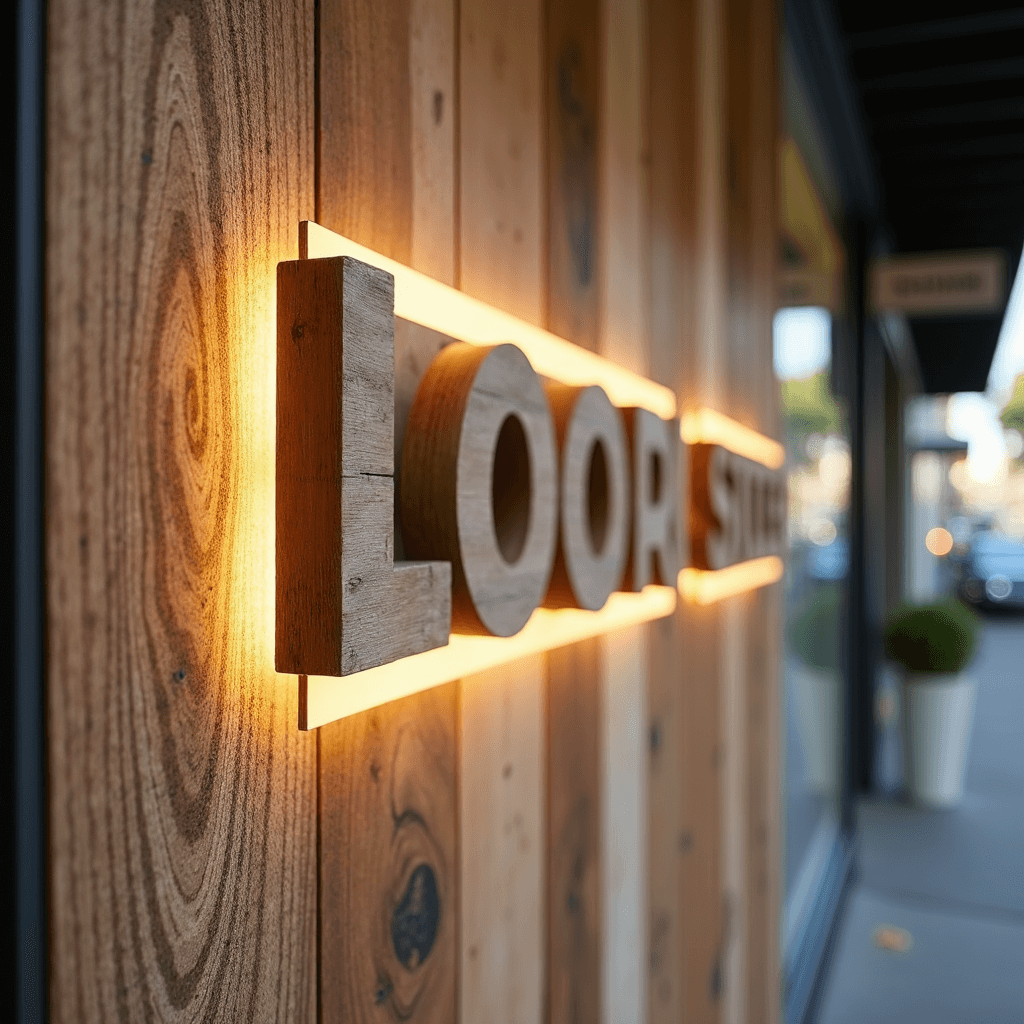
Melbourne consumers increasingly make purchasing decisions based on environmental values. A 2024 Monash University study found that 73% of Melbourne shoppers are more likely to enter stores displaying visible sustainability commitments and signage materials are a highly visible indicator of these values.
Materials Leading the Shift
Reclaimed timber has become particularly popular in Melbourne’s inner suburbs. One Brunswick Street cafe sourced salvaged timber from demolished warehouses in Port Melbourne, creating rustic signage that tells a story while reducing environmental impact. The timber was treated and sealed for outdoor durability at approximately $4,200 30% more than traditional materials, but with significantly higher customer appeal.
Bamboo is gaining traction for its rapid renewability and distinctive appearance. Retailers in South Melbourne Market precinct have adopted bamboo-composite panels for signage, which offer weather resistance while maintaining environmental credentials. Installation costs average $2,800-$6,500 depending on size and finish.
Energy-efficient LED lighting represents the fastest return on investment. A hardware store in Essendon replaced fluorescent signage lighting with LEDs, reducing energy consumption by 67% and electricity costs by $2,340 annually. The $8,900 installation cost was recovered in under four years through energy savings alone.
Communicating Your Sustainability Story
Simply using sustainable materials isn’t enough Melbourne consumers want to know about your choices. Effective approaches include:
- Small plaques or QR codes explaining material sourcing and environmental impact
- Certification badges (FSC timber, Energy Star ratings for lighting)
- Social media content showing the signage creation process
- Integration with broader store sustainability messaging
Sustainable Material Options & Costs
Melbourne suppliers offering eco-friendly signage materials:
- Reclaimed/recycled timber: $150-$280 per square meter (includes treatment and sealing)
- FSC-certified wood: $95-$165 per square meter
- Bamboo composite panels: $120-$210 per square meter
- Recycled aluminum: $85-$140 per square meter
- LED lighting upgrade: $2,800-$12,000 (depends on existing infrastructure and scale)
4. Bold Typography as Brand Identity
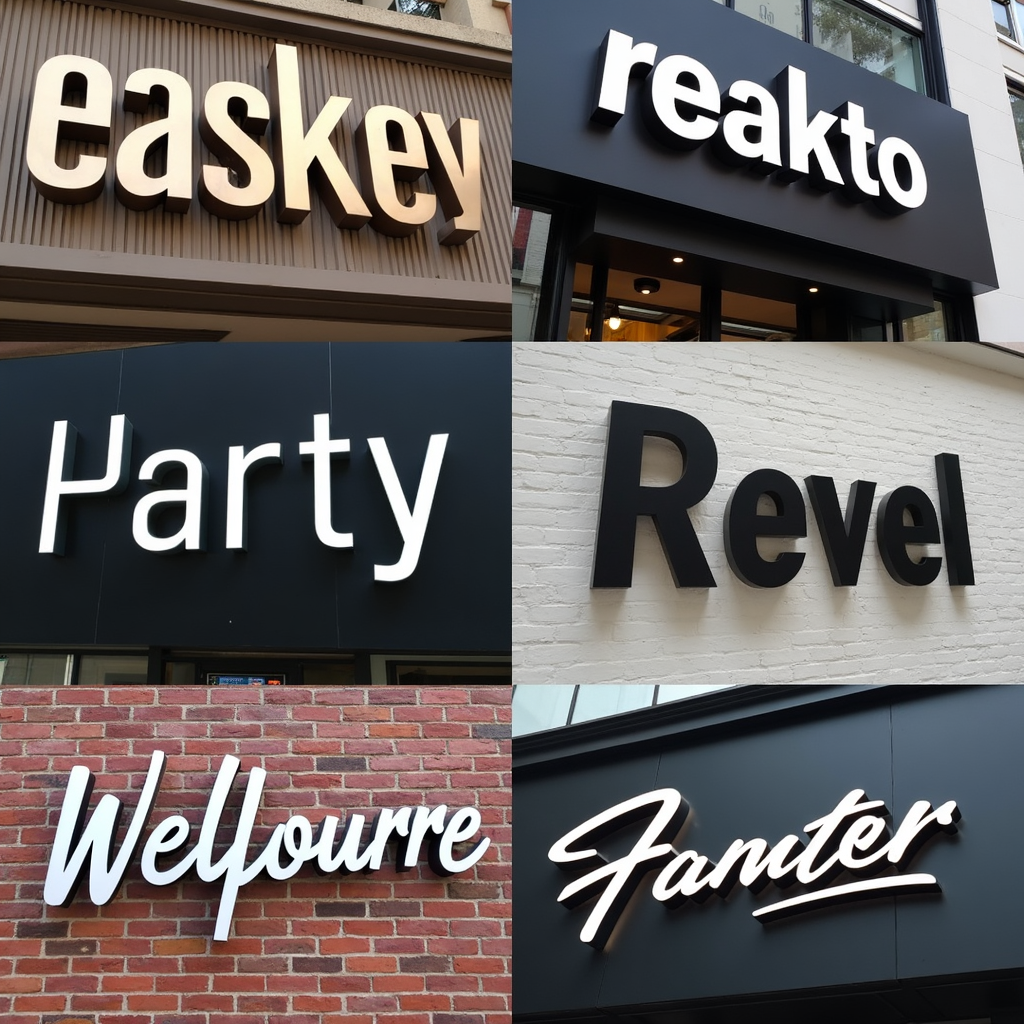
In Melbourne’s competitive retail environment, custom typography has emerged as one of the most powerful tools for instant brand recognition. Rather than relying on logos alone, leading retailers are making their typeface choice the hero of their signage strategy.
Typography Trends Dominating Melbourne
Oversized serif fonts are experiencing a revival, particularly in Richmond and Fitzroy. One bookstore on Smith Street commissioned a custom serif typeface at 80cm height, creating an elegant, timeless appearance that photographs exceptionally well for social media. The investment of $9,500 for custom font design and signage fabrication has yielded significant organic marketing value—the storefront has been featured in 17 Melbourne design blogs and Instagram accounts with over 500,000 combined followers.
Geometric sans-serif fonts dominate the CBD and South Yarra, communicating modernity and precision. These work particularly well when cut from matte black steel or backlit acrylic. A premium grocer on Toorak Road used geometric typography with subtle LED backlighting, creating dramatic visibility at dusk without appearing garish. Their evening foot traffic increased 34% following the installation.
Hand-drawn or brush script typography adds personality in creative precincts. A ceramics studio in Abbotsford commissioned a local sign painter to create hand-brushed lettering directly onto their brick facade. While more labor-intensive ($6,800 for the artist’s time), the result is entirely unique and impossible to replicate a significant competitive advantage.
Making Typography Work
Effective typographic signage requires:
- Exceptional legibility at 10+ meter distance (test with mockups before fabrication)
- Appropriate scale letters should typically be 40-100cm high for primary signage
- Consistent use across all customer touchpoints (bags, receipts, website, social media)
- High contrast with background minimum 70% contrast ratio for accessibility
- Professional custom font design: $4,500-$15,000; premium typeface licensing: $500-$2,000
5. Dynamic Digital Displays: Real-Time Communication
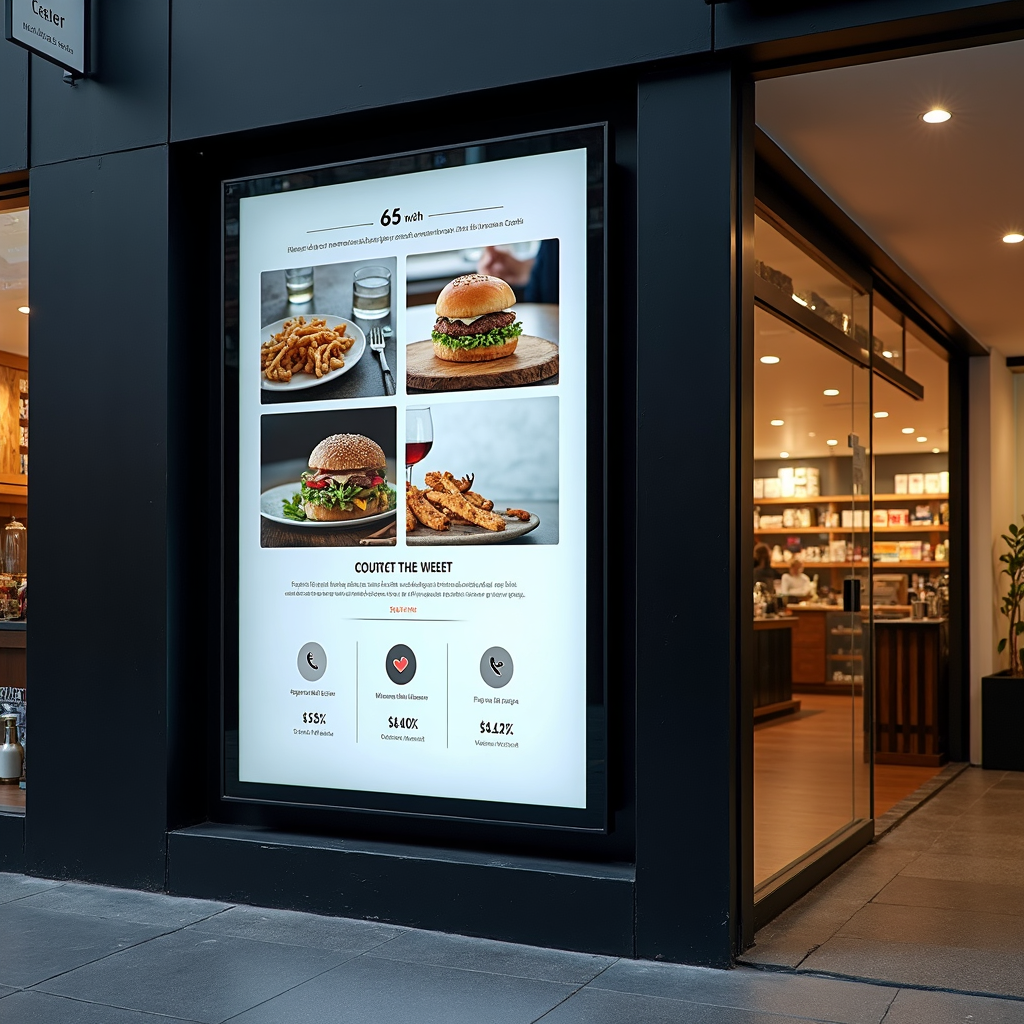
Digital signage has evolved far beyond simple LED price boards. Melbourne retailers are implementing sophisticated digital displays that adapt content based on time of day, weather conditions, foot traffic patterns, and even social media trends.
Smart Digital Implementation
A Collins Street fashion retailer implemented a weather-responsive digital display system. On rainy days, the screen automatically showcases umbrellas, raincoats, and waterproof boots. During Melbourne’s notorious temperature swings, the system adjusts product features based on Bureau of Meteorology data. The $31,000 system (including hardware, content management platform, and weather API integration) increased conversion rates for featured products by 27%.
A South Yarra café uses digital menu boards that automatically adjust pricing and featured items based on inventory levels and time of day. Morning emphasizes coffee and breakfast items; afternoon shifts to lunch options; early evening highlights wine and small plates. The system, costing $18,500 to install, reduced food waste by 22% while increasing average transaction value by $4.30.
Content Strategy for Digital Signage
Successful digital signage requires a content strategy, not just hardware:
- Content rotation schedule (static content becomes invisible after 3-4 weeks)
- Design templates ensuring brand consistency across all content iterations
- Dedicated staff responsibility for content updates (or budget for external management)
- Analytics integration to measure which content drives foot traffic and sales
- Backup static signage for technical failures (digital displays fail at inconvenient times)
Digital Signage Investment & ROI
Typical costs for Melbourne retail digital signage:
- Basic digital display (43-55 inch): $3,500-$8,000
- Commercial outdoor-rated screen (55-75 inch): $12,000-$28,000
- Content management system: $1,800-$5,000 annually
- Professional content creation: $500-$2,500 per month
- Smart integration features (weather, inventory, etc.): $8,000-$25,000 additional
Melbourne-Specific Considerations & Regulations
Council Permit Requirements
The City of Melbourne, along with surrounding councils like Yarra, Port Phillip, and Stonnington, have specific signage regulations. Generally, you’ll need a planning permit for:
- Any illuminated signage in heritage overlay areas
- Signs exceeding 8 square meters in display area
- Any sign that projects more than 900mm from a building facade
- Digital displays in many residential-adjacent commercial zones
Permit application fees range from $850-$2,100, and approval timelines typically span 4-8 weeks. Budget accordingly and begin the permit process before engaging fabricators.
Weather Considerations
Melbourne’s famously volatile weather demands robust signage construction. Materials and installation must account for:
- UV exposure (particularly north and west-facing signage)
- Wind loads (especially important for elevated or projecting signs)
- Temperature fluctuations (Melbourne can experience 20°C+ swings in a single day)
- Moisture protection for materials like timber and electronics
Reputable Melbourne fabricators will engineer signage for local conditions, but always verify warranty coverage for weather-related damage.
Complete Investment Guide: Melbourne Retail Signage Costs
To help you budget effectively, here’s a comprehensive breakdown of signage investments for a typical Melbourne retail space (4-6 meter frontage):
Professional Signage Investment Ranges (Melbourne, 2025-2026)
| Signage Type | Investment Range | Typical ROI Period |
| Basic flat-cut lettering | $2,500-$6,500 | 6-12 months |
| Illuminated LED signage | $8,500-$18,000 | 12-18 months |
| 3D fabricated signage | $12,000-$28,000 | 18-24 months |
| Premium minimalist design | $15,000-$35,000 | 12-18 months |
| Digital display system | $18,000-$45,000 | 24-36 months |
| Complete storefront rebrand | $35,000-$85,000+ | 18-30 months |
Note: Costs include design, fabrication, installation, and Melbourne council permit fees where applicable. ROI periods assume a moderate-traffic retail location and depend heavily on implementation quality and foot traffic conversion rates.
Frequently Asked Questions
How long does it take to design and install new retail signage in Melbourne?
From initial consultation to installation, expect 8-14 weeks for most projects. This breaks down to: design phase (2-3 weeks), council permit application and approval (4-8 weeks for regulated signage), fabrication (2-4 weeks), and installation (1-3 days). Rush services are available but typically add 25-40% to costs. Heritage overlay areas may require additional approval time.
Do I need a permit for changing my existing signage?
It depends on your location and changes made. Generally, you don’t need a permit if you’re simply repainting or replacing like-for-like (same size, position, and illumination status). However, you will likely need approval for: changing from non-illuminated to illuminated, increasing size beyond existing footprint, adding digital elements, or any changes in heritage overlay zones. Contact your local council’s planning department early—they can advise on specific requirements for your property.
What’s the expected lifespan of different signage materials?
Lifespan varies significantly by material and Melbourne’s UV exposure: Powder-coated aluminum (15-20 years), stainless steel (20-25 years), acrylic (7-12 years), treated timber (8-15 years depending on maintenance), vinyl graphics (3-7 years), and LED components (5-10 years for bulbs, though housing lasts longer). Regular maintenance can extend these periods significantly. Budget for refresh or replacement in your long-term planning.
How do I measure ROI on signage investment?
Track specific metrics before and after installation: foot traffic counts (using manual counts or pedestrian counters), conversion rate (visitors who enter vs. walk past), average transaction value, social media mentions and tags of your storefront, and brand recognition surveys in your local area. Most Melbourne retailers report measurable improvements within 3-6 months. For interactive or digital signage, also track engagement rates and QR code scans.
Can I update my signage in stages rather than all at once?
Yes, phased implementation is common and often practical. A typical approach: Phase 1 – Primary storefront signage (highest visibility, immediate impact); Phase 2 – Window graphics and secondary elements; Phase 3 – Wayfinding and interior signage. This spreads costs across multiple budget periods and allows you to refine your approach based on customer response. However, maintain visual consistency across phases—work with your designer to establish a cohesive system from the start.
What’s the best way to maintain and clean different signage types?
Maintenance requirements vary by material: Metal signage needs quarterly cleaning with pH-neutral cleaner and microfiber cloth, annual inspection for corrosion. Timber signage requires semi-annual retreatment (oil or sealant) and immediate attention to any moisture damage. Acrylic and polycarbonate need gentle cleaning with approved plastic cleaner (never ammonia-based products). LED components should be inspected quarterly, with failed units replaced promptly. Digital screens need professional servicing annually. Most Melbourne fabricators offer maintenance contracts ($500-$2,000 annually) that include scheduled cleaning and minor repairs.
Taking Action: Your Next Steps
Melbourne’s retail signage landscape is evolving rapidly, driven by changing consumer expectations, technological possibilities, and heightened competition for foot traffic. The retailers succeeding in this environment aren’t simply following trends—they’re strategically investing in signage that authentically represents their brand while serving functional business objectives.
Whether you’re opening a new location or refreshing an existing storefront, approach signage as a strategic business investment, not merely an aesthetic decision. The right signage doesn’t just attract attention; it communicates your values, differentiates you from competitors, and converts passersby into customers.
To begin your signage transformation:
- Audit your current signage: Spend time observing how people interact with your storefront. Where do they look first? What causes them to pause or keep walking?
- Research local regulations: Contact your council’s planning department before engaging designers to understand permit requirements and restrictions for your specific location
- Study successful examples: Visit high-performing retail areas like Chapel Street, Glenferrie Road, and Smith Street. Photograph signage that catches your attention and analyze why it works
- Consult with experienced fabricators: Speak with at least three Melbourne-based signage specialists. Look for portfolios demonstrating quality work in your retail category
- Establish success metrics: Define how you’ll measure ROI before installation so you can properly evaluate effectiveness
The competitive advantage goes to retailers who view signage as an ongoing strategic asset rather than a one-time expense. Melbourne’s retail landscape rewards those who invest thoughtfully in their physical brand presence—and the results speak for themselves in foot traffic, conversion rates, and long-term customer loyalty.
Ready to Transform Your Melbourne Storefront?
At 292 Co., we specialize in creating distinctive commercial signage that drives real business results for Melbourne retailers. From minimalist designs to interactive digital systems, we bring strategy, craftsmanship, and local expertise to every project.
Contact us today for a free consultation and discover how the right signage investment can transform your retail success.